
Blog
2000 Cadillac DeVille: Complete Guide to Specs, Engine, Features, Trims, and Buying Considerations

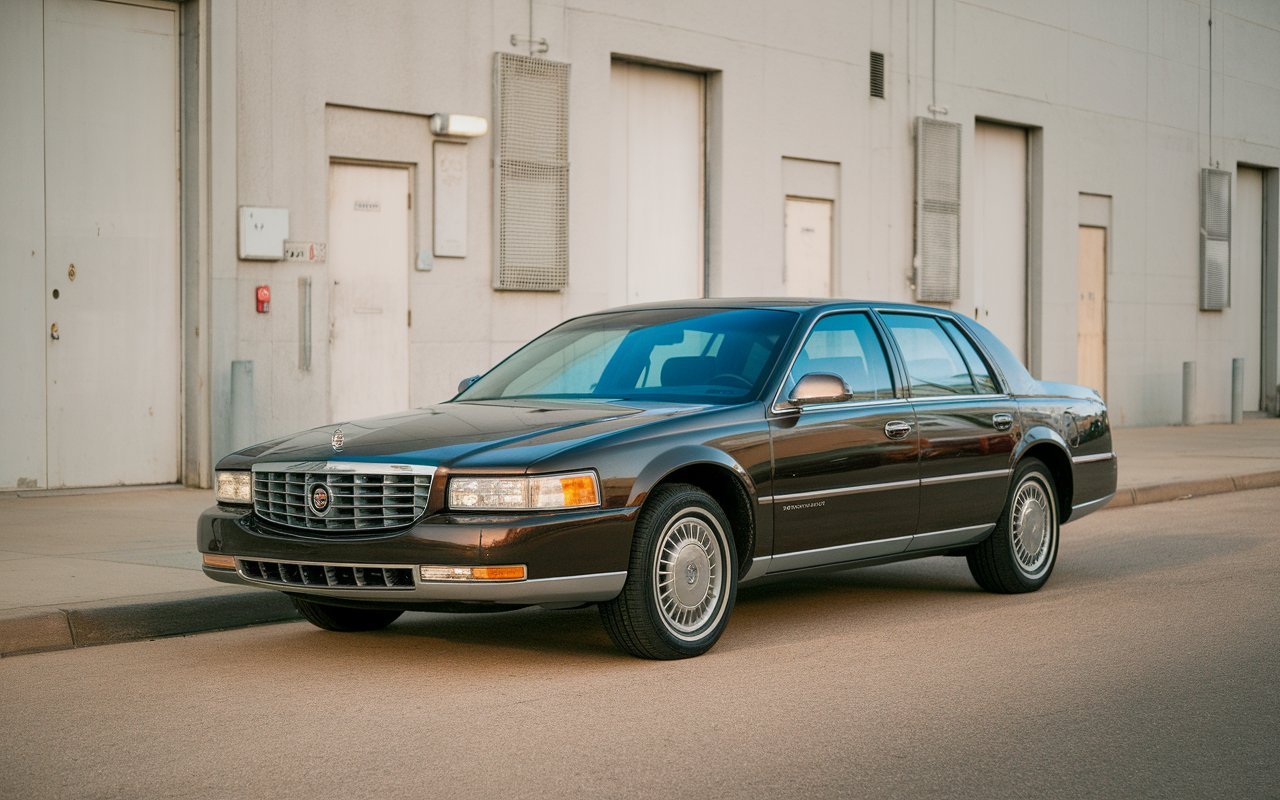
The 2000 Cadillac DeVille represents an important chapter in Cadillac’s history. It introduced a major redesign of the long-running DeVille nameplate while retaining the qualities buyers expected from a full-size American luxury sedan: a smooth V8 engine, generous passenger space, a comfortable ride, and an abundance of traditional Cadillac features. The 2000 model was part of the eighth-generation DeVille, which ran from 2000 through 2005, and it arrived with a substantially revised exterior and interior compared with the preceding generation.
Even in 2026, the 2000 Cadillac DeVille remains interesting to classic-car enthusiasts, collectors, and shoppers searching for an inexpensive used luxury sedan with genuine period character. It is no longer a modern luxury car, of course, but its combination of a 4.6-liter Northstar V8, front-wheel drive, spacious cabin, large trunk, and Cadillac styling gives it an identity that is increasingly difficult to find in today’s market.
2000 Cadillac DeVille Overview and Model History
The 2000 model year marked a significant redesign for the DeVille. Cadillac moved the car onto a revised G-platform, increased its wheelbase to approximately 115.4 inches, and gave the sedan a more aerodynamic exterior. The redesign also introduced updated door panels, seats, dashboard details, and standard seat-mounted front side airbags.
Cadillac offered several versions of the DeVille during this generation. The base DeVille focused on traditional luxury and value, while the DeVille DHS emphasized comfort and premium equipment. The performance-oriented DeVille DTS, meanwhile, replaced the earlier Concours name and offered a more powerful version of the Northstar V8.
The 2000 DeVille therefore occupies an interesting position in Cadillac history. It combined old-school American luxury-car dimensions with increasingly sophisticated technology and engineering. It was also among the last generations to carry the DeVille name before Cadillac replaced it with the DTS for the 2006 model year.
2000 Cadillac DeVille Engine and Performance
One of the defining characteristics of the 2000 Cadillac DeVille is its 4.6-liter Northstar V8. The standard engine produced approximately 275 horsepower and 300 lb-ft of torque, while the performance-oriented DTS used a higher-output version producing 300 horsepower and 295 lb-ft of torque.
Power was sent through a four-speed automatic transmission to the front wheels. That front-wheel-drive layout was notable because many large luxury sedans of the period relied on rear-wheel drive. The DeVille instead prioritized predictable traction, comfortable cruising, and packaging efficiency.
The standard 275-horsepower engine gave the DeVille plenty of performance for normal highway and city driving. The DTS was aimed at buyers wanting sharper acceleration and a more performance-oriented character. The Northstar V8 also gave the car the effortless power delivery expected from a large Cadillac.
Fuel economy was typical of a large V8 luxury sedan from this era rather than a modern economy car. Edmunds lists approximately 15 mpg city and 25 mpg highway, with a 19-mpg combined figure for the standard configuration.
Interior Comfort, Passenger Space, and Trunk Capacity
The 2000 Cadillac DeVille interior was designed around comfort rather than minimalism. Its large dimensions translated into substantial room for passengers, particularly in the rear seat. The sedan provided approximately 118 cubic feet of passenger volume, while the trunk offered around 19 cubic feet of cargo capacity.
The long wheelbase and broad cabin made the DeVille particularly suitable for drivers who valued relaxed long-distance travel. Rear passengers received generous legroom, and contemporary reporting highlighted the spacious rear seating area even when the front seats were moved substantially rearward.
The trunk was another practical strength. Its approximately 19-cubic-foot capacity provided enough room for luggage and everyday cargo, while its broad, relatively flat floor made loading larger items easier.
Depending on the trim, buyers could also find features associated with traditional Cadillac luxury, including leather seating, power adjustments, heated seating, and additional comfort-oriented equipment. The DHS in particular emphasized a softer, more luxurious experience, while the DTS placed greater emphasis on driver engagement.
2000 Cadillac DeVille DTS vs. DeVille DHS
Choosing the right version is important when researching a 2000 Cadillac DeVille. The standard DeVille is generally the straightforward choice for buyers seeking classic Cadillac comfort without the additional emphasis of the higher trims.
The DeVille DHS was positioned toward comfort and luxury. It used the 275-horsepower Northstar V8 and offered equipment designed to make the cabin particularly relaxing. Depending on configuration, DHS models could include features such as heated or massaging rear seats and a power rear sunshade.
The DeVille DTS was the performance-oriented alternative. Its Northstar V8 produced 300 horsepower and 295 lb-ft of torque, and the DTS could be equipped with technology such as stability control, continuously variable road-sensing suspension, and navigation.
For buyers who value comfort above all else, the DHS is compelling. For enthusiasts interested in the sportier side of the DeVille, the DTS is generally the more exciting choice.
Dimensions, Ride, and Everyday Driving
The 2000 DeVille was a genuinely large automobile. Edmunds lists the sedan at approximately 207.2 inches long, 74.5 inches wide, and 56.7 inches tall, with a 115.4-inch wheelbase. The standard car weighed close to 4,000 pounds, depending on configuration.
Those dimensions helped create its comfortable ride but also affected maneuverability. A turning circle of approximately 41.4 feet meant that tight parking spaces required more planning than they would in a modern compact sedan.
On the open road, however, the DeVille’s size became an advantage. The long wheelbase and substantial body gave it the relaxed cruising character expected of a Cadillac. The car was designed to isolate occupants from road imperfections while providing a quiet environment for longer journeys.
Drivers should also remember that the DeVille’s age now matters significantly. A well-maintained example can still deliver an enjoyable driving experience, but suspension components, electronics, cooling systems, seals, and other age-sensitive parts deserve careful inspection.
Safety and Technology Features
For its time, the 2000 Cadillac DeVille offered an impressive collection of safety and technology equipment. Standard seat-mounted front side airbags were part of the redesigned model’s safety package, while anti-lock brakes and other electronic systems were available depending on configuration.
One of the most remarkable technologies associated with the DeVille generation was Cadillac Night Vision. The system used thermal-imaging technology to help drivers identify objects and pedestrians beyond the normal reach of conventional headlights. Cadillac introduced this technology as a production-car feature around this period, making the DeVille notable in automotive technology history.
The DTS could also be equipped with advanced features for the era, including stability control, road-sensing suspension, MagneRide-related damping technology, and onboard navigation.
Of course, modern vehicles have far more sophisticated driver-assistance systems. Buyers should therefore evaluate a 2000 DeVille according to its period rather than expecting contemporary collision-avoidance technology.
Is a 2000 Cadillac DeVille Worth Buying in 2026?
A 2000 Cadillac DeVille can make sense in 2026 for the right buyer. Its strongest advantages are its classic Cadillac styling, powerful V8 engine, spacious interior, large trunk, comfortable ride, and distinctive period luxury. It can also provide an inexpensive entry into ownership of a genuine full-size American luxury sedan.
The biggest consideration is condition. At more than two decades old, maintenance history is often more important than the badge or mileage alone. A prospective buyer should carefully inspect the Northstar V8, cooling system, transmission, suspension, electrical equipment, air conditioning, brakes, tires, and interior electronics. A professional pre-purchase inspection can reveal problems that are difficult to identify during a short test drive.
The purchase price can vary enormously according to mileage, trim, condition, location, originality, and maintenance history. Current used-market listings show that examples can range from relatively inexpensive high-mileage cars to considerably more expensive, well-preserved vehicles.
Ultimately, the 2000 Cadillac DeVille is best understood as a piece of late-1990s and early-2000s American luxury-car history. It delivers the substantial presence, V8 power, comfort, and technology that defined Cadillac during the period. For enthusiasts willing to maintain an older luxury vehicle, a carefully selected example can still offer a distinctive driving experience that modern downsized sedans simply cannot reproduce.
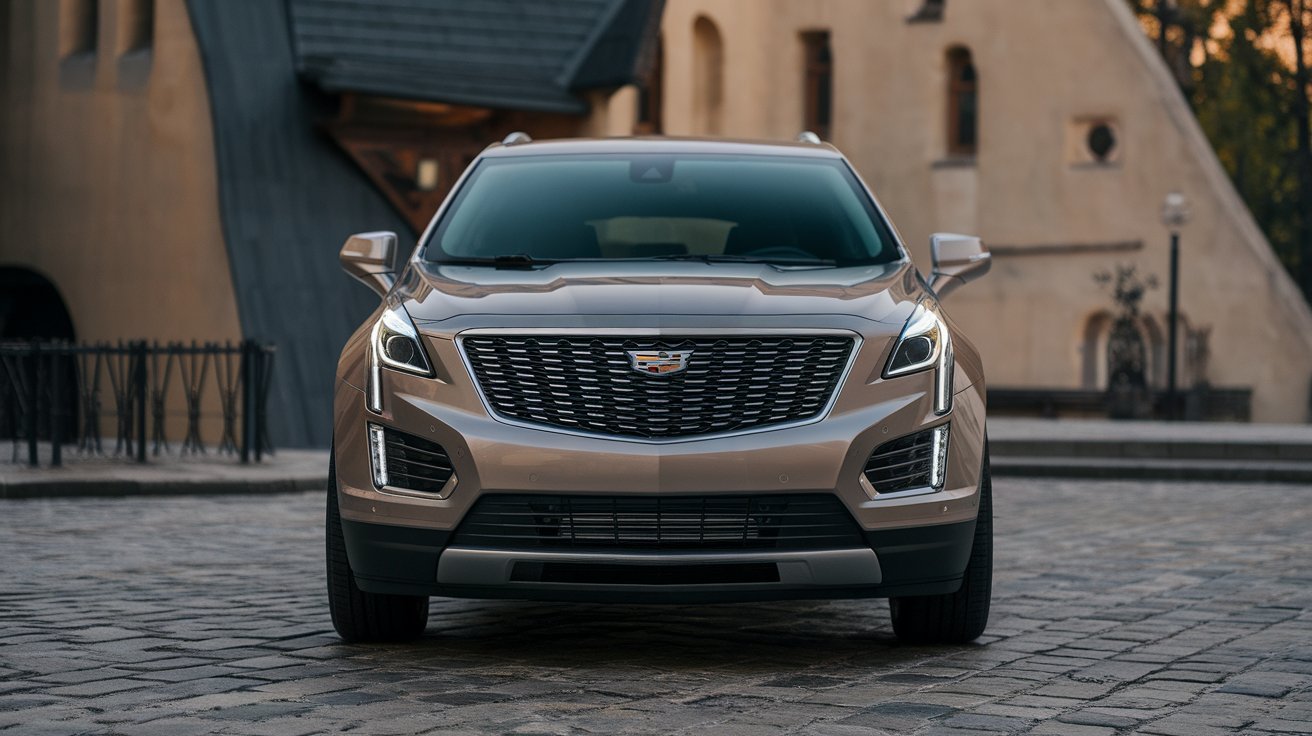
The 2025 Cadillac XT5 is a luxury midsize SUV designed for drivers who want a combination of premium styling, comfortable passenger space, everyday practicality, and familiar Cadillac character. As one of Cadillac’s established SUV models, the XT5 enters the 2025 model year with a relatively mature design rather than a complete redesign. It remains a five-passenger SUV available with front-wheel drive or all-wheel drive, while its powertrain lineup includes a turbocharged four-cylinder and an available V6.
For buyers researching the Cadillac XT5 2025 in 2026, understanding its specifications, cabin, fuel economy, technology, trims, and practical features is important. The XT5 remains especially relevant as a used-luxury SUV because it offers generous passenger room and a useful cargo area without moving into the larger three-row SUV category.
2025 Cadillac XT5 Engine and Performance
The 2025 Cadillac XT5 offers two gasoline engine choices. The standard engine is a 2.0-liter turbocharged four-cylinder producing 235 horsepower and 258 lb-ft of torque. It is paired with a nine-speed automatic transmission, with front-wheel drive standard on the Luxury configuration and all-wheel drive available.
For shoppers who want additional power, Cadillac also offers a 3.6-liter V6 producing 310 horsepower and 271 lb-ft of torque. The V6 is associated with higher-level configurations, including the Sport trim, and provides a stronger power reserve for highway acceleration and carrying passengers or cargo.
The XT5 is not positioned as a high-performance crossover, but its engines provide enough capability for normal commuting, highway travel, family transportation, and long-distance driving. The V6 also gives the SUV a noticeably different character from the turbocharged four-cylinder, particularly when accelerating onto highways.
Fuel Economy and Drivetrain Options
Fuel economy depends heavily on the engine and drivetrain configuration. According to Car and Driver’s specifications for the 2025 XT5, the 2.0-liter turbo with front-wheel drive is rated at 22 mpg city, 29 mpg highway, and 24 mpg combined. The available all-wheel-drive version is rated slightly lower.
The 3.6-liter V6 uses more fuel because of its larger displacement and greater output. Earlier Cadillac specifications for this XT5 powertrain show ratings around 19 mpg city and 26 mpg highway for front-wheel drive, with all-wheel drive reducing city efficiency further.
For drivers who regularly encounter rain, snow, or slippery roads, all-wheel drive can provide additional traction. Front-wheel drive, meanwhile, can make sense for drivers primarily concerned with everyday road use and fuel economy. The choice between the two is therefore closely connected to driving conditions and priorities.
Interior Comfort, Seating, and Cargo Space
Inside, the 2025 Cadillac XT5 focuses on providing a comfortable five-person cabin rather than adding a third seating row. The SUV offers approximately 104.5 cubic feet of passenger volume, with 41.2 inches of front legroom and 39 inches of second-row legroom.
One of the XT5’s strongest practical characteristics is its cargo capacity. It provides approximately 30 cubic feet of cargo space behind the second row and up to 63 cubic feet with the rear seats folded. That makes the XT5 useful for groceries, luggage, sporting equipment, shopping trips, and other everyday transportation needs.
The rear seats can also be folded when additional cargo room is needed. This flexibility allows the XT5 to function as both a comfortable passenger vehicle and a practical utility-oriented SUV.
Technology and Connectivity in the XT5
Technology is another important part of the Cadillac XT5 2025 experience. Standard equipment includes an 8.0-inch touchscreen, Apple CarPlay, Android Auto, and a 4G LTE Wi-Fi hotspot according to Car and Driver’s model information.
The cabin also incorporates Cadillac’s familiar infotainment controls, while available equipment varies according to trim and packages. Buyers should check the exact equipment of an individual vehicle because features can differ depending on configuration.
Driver-assistance technology is also part of the XT5’s equipment strategy. Cadillac offered features such as automatic emergency braking, lane-related assistance, parking assistance, and additional safety technologies, with some advanced features depending on trim or available packages.
When shopping for a used 2025 XT5, checking the original window sticker or vehicle equipment list can be particularly useful because optional technology can significantly change the vehicle’s specification.
2025 Cadillac XT5 Trims and Design
The 2025 XT5 lineup includes configurations such as Luxury, Premium Luxury, and Sport. For 2025, Cadillac discontinued the previous Platinum trim, while some equipment was reorganized into other trims or optional packages. Car and Driver also notes that Night Vision and the previously available adaptive suspension were no longer offered for the 2025 model year.
The exterior design remains one of the recognizable characteristics of the XT5. Its proportions provide a balance between a substantial SUV appearance and dimensions that remain manageable for everyday driving. The 2025 XT5 measures approximately 189.6 inches long, 74.9 inches wide, and 66.1 inches high, with a 112-inch wheelbase.
The Sport-oriented version emphasizes a more athletic appearance, while Luxury and Premium Luxury configurations focus more heavily on traditional upscale SUV presentation and comfort.
Safety, Driving Experience, and Everyday Use
The 2025 Cadillac XT5 is designed primarily as a comfortable everyday luxury SUV rather than an aggressive performance vehicle. Its independent suspension and substantial cabin make it suitable for commuting and longer road trips. The available V6 provides stronger acceleration, while the four-cylinder turbo offers a balance between performance and efficiency.
The XT5’s relatively compact footprint compared with larger Cadillac SUVs can also make it easier to maneuver in urban environments. At the same time, its five-seat cabin and substantial cargo area give it enough versatility for families and active lifestyles.
Safety equipment varies by configuration, so buyers should verify the exact driver-assistance features on a specific 2025 XT5. Cadillac’s documentation lists systems including automatic emergency braking, lane-keeping assistance, rear parking assistance, and rear vision technology among the available or standard equipment depending on configuration.
Is the 2025 Cadillac XT5 Worth Considering?
The 2025 Cadillac XT5 combines several qualities that continue to make the model relevant in the luxury SUV market: five-passenger seating, generous cargo capacity, two engine choices, available AWD, and Cadillac styling. Its 2.0-liter turbocharged engine produces 235 horsepower, while the available 3.6-liter V6 raises output to 310 horsepower.
For buyers researching the XT5 as a 2025 model or used SUV in 2026, the most important considerations are the exact trim, engine, drivetrain, equipment, service history, and condition of the individual vehicle. The model’s 30-cubic-foot cargo area and 63-cubic-foot maximum cargo capacity add meaningful practicality, while the five-seat layout provides useful passenger space without the bulk of a three-row SUV.
Overall, the 2025 Cadillac XT5 represents a traditional approach to the luxury crossover: comfortable seating, distinctive Cadillac styling, practical cargo capacity, available V6 power, and a choice between front- and all-wheel drive. For shoppers who value those characteristics, understanding the differences between trims and powertrains is the key to finding the configuration that matches their needs.
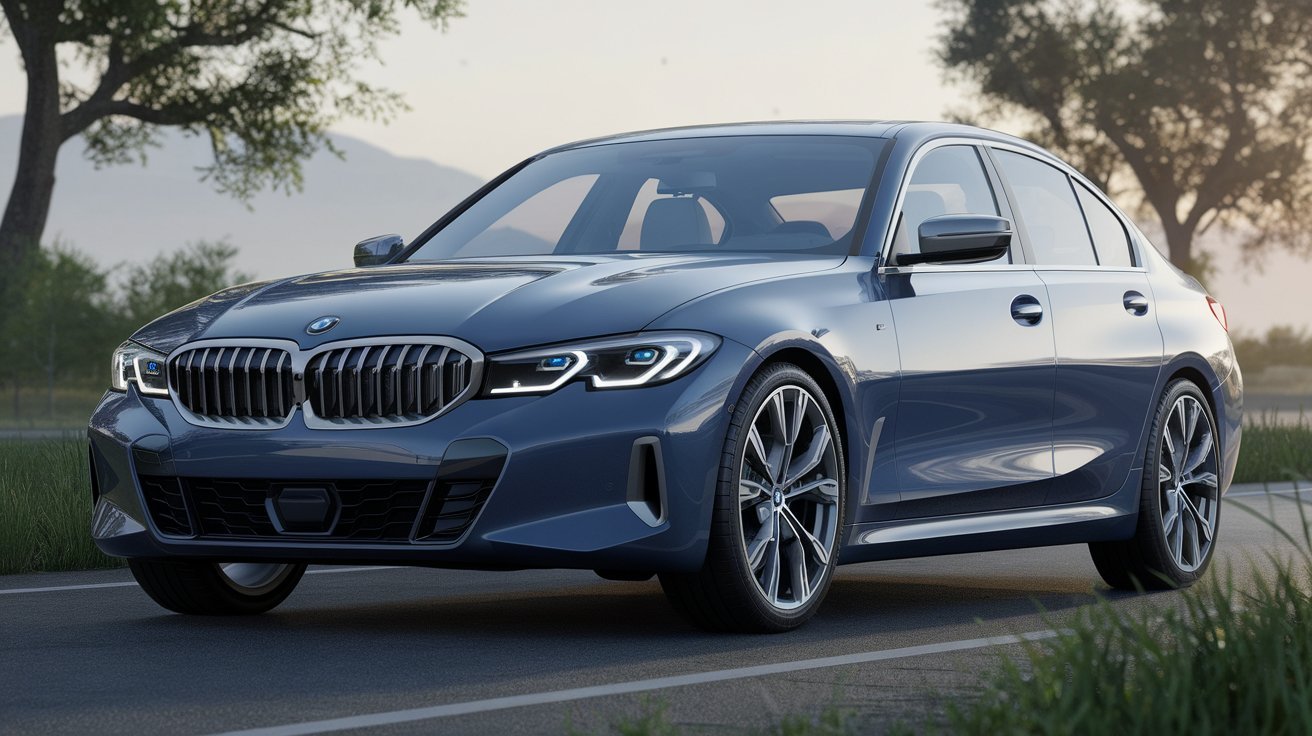
The 2025 BMW 3 Series continues BMW’s long-running tradition of combining sporty driving dynamics, premium comfort, advanced technology, and everyday practicality in a compact luxury sedan. For 2026 shoppers considering a recent used or remaining new example, the 2025 model is particularly interesting because BMW made several updates while simplifying the lineup.
For the U.S. market, the 2025 3 Series is offered primarily as the 330i and M340i, with rear-wheel drive or available xDrive all-wheel drive depending on configuration. The previous 330e plug-in hybrid was discontinued for 2025.
With its turbocharged engines, modern cabin, sophisticated suspension, and familiar BMW driving character, the BMW 3 Series 2025 remains an important choice in the compact luxury sedan segment.
2025 BMW 3 Series: What’s New?
The 2025 BMW 3 Series receives a series of relatively small but meaningful updates rather than a complete redesign. BMW refreshed elements of the exterior and interior while also making changes to powertrain output and equipment.
The lineup is simpler than before. Buyers can choose the four-cylinder 330i or the more performance-oriented M340i, while the 330e plug-in hybrid is no longer offered in the U.S. for 2025.
The 3 Series remains part of the seventh generation introduced for the 2019 model year. Its overall formula remains recognizable: a front-engine luxury sedan with rear-wheel-drive architecture, optional all-wheel drive, automatic transmission, and an emphasis on balanced handling.
For people shopping in 2026, this makes the 2025 model an appealing reference point because it combines the established seventh-generation platform with the latest updates made before the model year.
Engine, Horsepower, and Performance
The 2025 BMW 330i uses a 2.0-liter turbocharged four-cylinder engine with a 48-volt mild-hybrid system. BMW lists output at 255 horsepower and 295 lb-ft of torque, paired with an eight-speed automatic transmission. The 330i is available with rear-wheel drive or xDrive all-wheel drive.
BMW quotes a 0-to-60-mph time of approximately 5.6 seconds for the 330i and 5.4 seconds for the 330i xDrive.
The more powerful M340i moves to a 3.0-liter turbocharged inline-six. It produces 386 horsepower and 398 lb-ft of torque, again using an eight-speed automatic transmission. BMW lists a 0-to-60-mph time of about 4.4 seconds for the rear-wheel-drive M340i and 4.1 seconds for the M340i xDrive on its current technical information.
The M340i therefore occupies an interesting position in the lineup. It delivers substantially more performance than the 330i while retaining the practicality of a four-door sedan.
Fuel Economy and Everyday Driving
Despite its performance focus, the 2025 3 Series can deliver respectable fuel economy. The 330i is rated at approximately 28 mpg city and 35 mpg highway with rear-wheel drive, while the xDrive version is rated around 26/34 mpg city/highway.
The M340i also benefits from its mild-hybrid technology. BMW lists approximately 27 mpg city and 33 mpg highway for the rear-wheel-drive version and 26/33 mpg for the xDrive model.
Actual fuel consumption will vary according to traffic, driving style, weather, tires, vehicle configuration, and road conditions.
One of the 3 Series’ strengths is that it does not need to be driven aggressively to feel responsive. The turbocharged engines provide strong torque, while the automatic transmission is designed for both relaxed cruising and spirited driving.
Interior, Technology, and Comfort
Inside, the 2025 BMW 3 Series combines a driver-focused layout with modern digital technology. BMW’s curved display integrates the instrument cluster and central infotainment functions, giving the dashboard a contemporary appearance.
The cabin also emphasizes premium materials, supportive seats, and a relatively straightforward driving position. Depending on configuration and optional packages, buyers can find features such as advanced navigation, smartphone integration, premium audio, heated seats, parking assistance, and additional driver-assistance technology.
The 3 Series is also practical enough for everyday use. BMW lists approximately 16.9 cubic feet of luggage capacity, while the sedan seats five people.
Passenger space is generally suitable for a compact luxury sedan, although rear-seat occupants have less room than they would in a larger midsize vehicle. The rear seatback can also be folded to make transporting longer objects easier.
Exterior Design and Driving Dynamics
The 2025 3 Series retains BMW’s familiar sedan proportions, including a long hood, short front overhang, and relatively long wheelbase. BMW lists the 330i at approximately 185.9 inches long, 71.9 inches wide, and 56.8 inches high, with a wheelbase of about 112.5 inches.
The car’s suspension uses a sophisticated independent design, with a double-joint front axle and five-link rear axle on the 330i. BMW also offers performance-oriented suspension and braking equipment on appropriate versions and packages.
This engineering helps explain why the BMW 3 Series has such a strong reputation for handling. Steering response, chassis balance, braking, and suspension tuning all contribute to a sedan that can function as both a comfortable commuter and an engaging driver’s car.
The M340i adds further performance-oriented equipment, including M Sport hardware and an electronically controlled rear differential depending on configuration.
330i vs. M340i: Which 2025 3 Series Fits Your Needs?
The choice between the 330i and M340i largely depends on what you expect from the car.
The 330i provides 255 horsepower, strong torque, good fuel economy, and a comfortable luxury-sedan experience. It is the more straightforward choice for someone who wants performance without moving deep into the high-performance end of the BMW range.
The M340i uses its 386-hp inline-six to provide a much stronger acceleration experience. It also includes additional M-oriented chassis and performance equipment.
Both versions can be configured with xDrive, which can provide additional traction in appropriate driving conditions. Rear-wheel drive remains an important part of the traditional BMW experience.
For a 2026 buyer, examining equipment on the individual vehicle is important because BMW offers numerous packages and options, and two cars with the same model designation can have significantly different features.
Buying a 2025 BMW 3 Series in 2026
The 2025 BMW 3 Series can be especially relevant in the used-car market because it is recent enough to offer modern technology while already being a previous model year.
When evaluating one in 2026, buyers should check the vehicle’s maintenance history, mileage, tires, brakes, warranty status, optional equipment, accident history, and service records. A professional inspection can be particularly useful when purchasing a used luxury vehicle.
Pricing varies substantially depending on trim, mileage, condition, location, options, and market conditions. Edmunds lists the original 2025 3 Series range at approximately $45,950 to $62,200, although actual used-market prices in 2026 can be considerably different.
The 330i generally offers the most accessible entry into the lineup, while the M340i commands a higher price because of its six-cylinder engine and performance equipment.
Frequently Asked Questions About the BMW 3 Series 2025
How much horsepower does the 2025 BMW 330i have?
The 2025 BMW 330i produces 255 horsepower and 295 lb-ft of torque from its 2.0-liter turbocharged four-cylinder engine.
How much horsepower does the 2025 M340i have?
The M340i produces 386 horsepower and 398 lb-ft of torque from its 3.0-liter turbocharged inline-six engine.
Does the 2025 BMW 3 Series have all-wheel drive?
Yes. xDrive all-wheel drive is available on the 330i and M340i, while rear-wheel drive is also offered.
Is the 2025 BMW 3 Series fuel efficient?
For its performance level, yes. The rear-wheel-drive 330i is rated at approximately 28 mpg city and 35 mpg highway, although real-world results vary.
Does the 2025 3 Series have a plug-in hybrid?
The 330e plug-in hybrid is not offered in the U.S. for the 2025 model year. The U.S. lineup centers on the 330i and M340i.
Conclusion
The 2025 BMW 3 Series remains a well-rounded compact luxury sedan for drivers who want a combination of performance, technology, comfort, and everyday practicality. The 330i’s 255-hp turbocharged four-cylinder offers a strong balance of efficiency and performance, while the 386-hp M340i provides substantially greater acceleration and a more performance-focused character.
With available xDrive all-wheel drive, modern cabin technology, approximately 16.9 cubic feet of trunk space, and a sophisticated chassis, the 2025 3 Series can serve a wide range of driving needs.
For anyone researching the model in 2026, the key is to compare the 330i and M340i carefully, examine the equipment and service history of individual vehicles, and consider whether rear-wheel drive or xDrive better suits the intended use. The result is a BMW sedan that continues to combine the traditional 3 Series driving formula with modern technology and electrification.


LG Dishwasher Drain Hose: Complete Guide to Replacement, Installation, and Troubleshooting in 2026

First Take You Tube: Complete Guide to THE FIRST TAKE, Videos, Music and More

Philippe Starck: Biography, Designs, Architecture, Career and Legacy

Kelsy Ully (2026): Biography, Career, Background, Personal Life, and Frequently Asked Questions

Bulkington Community Forum: A Complete Guide to Local News, Events, Discussions, and Community Engagement

80 kg to lbs: Easy Conversion Guide, Formula, and Practical Examples
 Celebrity2 months ago
Kelsy Ully (2026): Biography, Career, Background, Personal Life, and Frequently Asked Questions
- Blog2 months ago
Bulkington Community Forum: A Complete Guide to Local News, Events, Discussions, and Community Engagement
- Blog2 months ago
80 kg to lbs: Easy Conversion Guide, Formula, and Practical Examples
- Celebrity2 months ago
John Light: A Comprehensive Biography of the Acclaimed British Actor
- Entertainment2 months ago
PoE Ninja: The Ultimate Guide to Path of Exile’s Most Powerful Build, Economy, and Trading Resource
- Sports2 months ago
Koora Live: What It Is, Why It Became Popular, and What Sports Fans Should Know
- Celebrity2 months ago
Marita Geraghty: Biography, Career, Movies, Television Roles, Personal Life, and Lasting Legacy
- Celebrity2 months ago
Leah James: Biography, Career, Personal Life, and Rising Influence