
Tech
//TurboGeek.org: The Complete 2026 Guide to Technology News, Reviews, Gaming, AI, and Digital Innovation

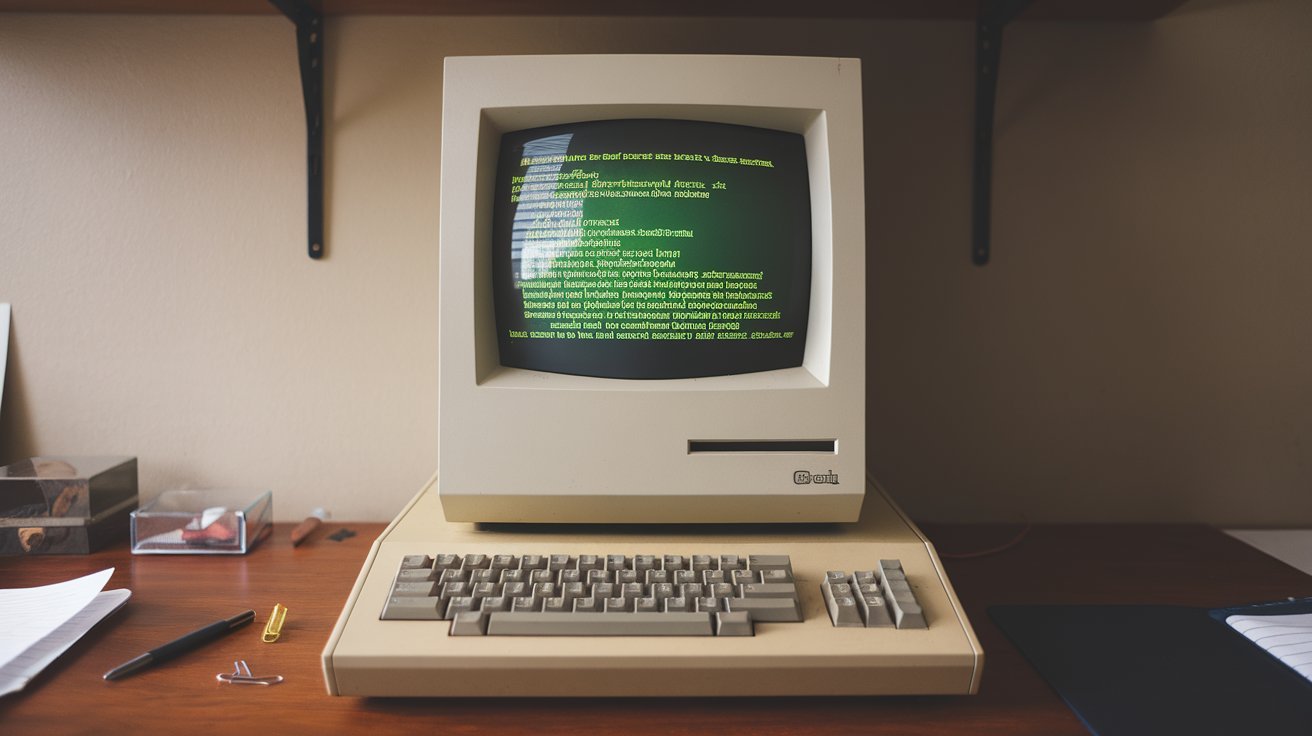
In today’s fast-moving digital world, staying informed about the latest developments in technology, artificial intelligence, gaming, cybersecurity, software, gadgets, and digital innovation is more important than ever. Websites that provide reliable, well-organized, and informative content help readers make smarter decisions while keeping up with rapidly changing trends. Among these platforms, //TurboGeek.org has attracted attention as a technology-focused website covering a broad range of modern digital topics.
Whether you are a technology enthusiast, gamer, IT professional, student, or casual reader, //TurboGeek.org offers articles designed to simplify complex topics while introducing readers to the newest innovations shaping the future. From hardware reviews and software guides to gaming insights and AI discussions, the platform aims to make technology accessible to everyone.
This complete 2026 guide explores everything you need to know about //TurboGeek.org, its features, content categories, benefits, strengths, and why technology readers continue to visit similar platforms for trusted information.
What Is //TurboGeek.org?
//TurboGeek.org is a technology-focused online platform dedicated to publishing informative content about the modern digital world. The website covers various technology-related subjects, including:
- Technology news
- Software reviews
- Artificial Intelligence
- Gaming
- Cybersecurity
- Smartphones
- Computer hardware
- Digital tools
- Internet trends
- Productivity guides
Instead of focusing on only one niche, the platform presents a broad overview of today’s digital ecosystem, making it useful for beginners and experienced technology users alike.
The primary goal of the website is to explain technical concepts in a way that is easy to understand while remaining informative and relevant.
Key Topics Covered on //TurboGeek.org
One of the biggest strengths of //TurboGeek.org is its diverse content library. Readers can explore numerous categories depending on their interests.
Technology News
Technology changes almost every day. Readers often visit technology websites to learn about:
- New product launches
- Industry announcements
- Software updates
- Hardware innovations
- Emerging digital trends
- Consumer technology developments
Keeping updated helps users understand how innovations affect everyday life and future career opportunities.
Artificial Intelligence
AI continues transforming industries across healthcare, education, finance, marketing, and entertainment.
Topics frequently discussed include:
- Generative AI
- Machine learning
- Automation
- AI tools
- Chatbots
- Business applications
- Future AI developments
These articles help readers understand both opportunities and challenges presented by artificial intelligence.
Gaming
Gaming remains one of the largest digital entertainment industries worldwide.
Gaming-related content often includes:
- Game reviews
- Gaming hardware
- Console comparisons
- PC gaming
- Mobile gaming
- Esports
- Gaming accessories
- Performance optimization
This makes the platform appealing to casual gamers and dedicated enthusiasts.
Software, Apps, and Digital Productivity
Modern users rely on software for work, communication, education, and entertainment.
Articles may discuss:
- Best productivity apps
- Cloud storage solutions
- Video editing software
- Office tools
- AI-powered applications
- Mobile apps
- Browser extensions
- Business software
Helpful software recommendations allow readers to improve efficiency while choosing reliable digital solutions.
Step-by-step tutorials also make software easier to understand for beginners.
Hardware Reviews and Gadget Insights
Technology enthusiasts constantly research new hardware before making purchases.
Popular hardware topics include:
- Laptops
- Desktop computers
- CPUs
- Graphics cards
- SSD storage
- RAM upgrades
- Gaming monitors
- Mechanical keyboards
- Smartphones
- Tablets
- Smartwatches
- Wireless earbuds
- Networking equipment
Well-written hardware reviews explain important specifications, performance, pricing, advantages, and limitations without overwhelming readers with unnecessary technical jargon.
This approach allows consumers to compare products more confidently before investing.
Cybersecurity and Online Safety
As digital threats continue growing, cybersecurity has become essential for everyone.
Technology platforms increasingly educate readers about online protection through articles covering:
- Password security
- Multi-factor authentication
- Phishing prevention
- Malware protection
- VPN services
- Safe browsing
- Data privacy
- Identity theft prevention
- Secure cloud storage
Understanding cybersecurity practices helps users protect personal information, financial accounts, and business data against cybercriminals.
Simple security habits often provide significant protection from common online threats.
Why Readers Choose //TurboGeek.org
Several factors contribute to the growing popularity of technology-focused websites like //TurboGeek.org.
Easy-to-understand content
Articles simplify technical subjects for readers without extensive technical backgrounds.
Wide topic coverage
Instead of specializing in only one technology area, the website covers multiple industries.
Educational value
Readers can continually expand their digital knowledge through tutorials, explainers, comparisons, and industry insights.
Technology trends
Current discussions help readers stay informed about rapidly changing innovations.
Useful buying guidance
Product reviews and comparisons assist readers before purchasing technology products.
Learning opportunities
Students and professionals benefit from educational articles that explain emerging technologies in practical language.
The Future of //TurboGeek.org in 2026 and Beyond
Technology continues evolving faster than ever. Major innovations expected to dominate the coming years include:
- Artificial Intelligence
- Quantum Computing
- Cloud Computing
- 5G and 6G Networks
- Extended Reality (XR)
- Virtual Reality
- Augmented Reality
- Blockchain
- Edge Computing
- Smart Devices
- Robotics
- Automation
- Green Technology
- Digital Privacy
- Cybersecurity Innovation
As these technologies mature, platforms like //TurboGeek.org can continue serving readers by publishing educational content that explains emerging developments in clear, practical language.
Future readers will increasingly seek trustworthy information before purchasing technology products, adopting AI tools, or learning new digital skills. Websites that prioritize accurate, user-focused content will remain valuable resources within the technology community.
Conclusion
//TurboGeek.org represents the type of modern technology platform designed for today’s digital audience. By covering technology news, artificial intelligence, gaming, cybersecurity, software, hardware reviews, digital productivity, and emerging innovations, it provides readers with a broad understanding of the rapidly evolving technology landscape.
Whether someone wants to compare the latest gadgets, understand AI developments, improve cybersecurity practices, discover productivity software, or explore gaming technology, comprehensive technology resources remain an essential part of the online learning experience.
As digital transformation continues throughout 2026 and beyond, technology-focused websites that deliver informative, well-structured, and educational content will continue helping readers navigate the future with greater confidence.
Frequently Asked Questions (FAQ)
What is //TurboGeek.org?
//TurboGeek.org is a technology-focused website that publishes articles about technology news, gaming, artificial intelligence, software, hardware, cybersecurity, and digital innovation.
Who should read //TurboGeek.org?
The platform is suitable for technology enthusiasts, gamers, IT professionals, students, business owners, and anyone interested in learning about modern digital technologies.
Does //TurboGeek.org cover AI topics?
Yes. Artificial intelligence is one of the major technology areas discussed, including AI tools, automation, machine learning, and future digital trends.
Can beginners understand the articles?
Technology websites like //TurboGeek.org typically aim to explain complex concepts using accessible language, making them useful for both beginners and experienced readers.
Why are technology websites important in 2026?
Technology evolves rapidly. Reliable technology websites help readers stay informed about new products, software, cybersecurity, AI, gaming, and other digital innovations that influence everyday life and work.
What topics are expected to shape the future of technology?
Some of the most influential areas include Artificial Intelligence, Quantum Computing, Cloud Computing, Cybersecurity, Robotics, Virtual Reality, Augmented Reality, Blockchain, and Smart Devices. These technologies are expected to continue driving innovation across industries in the coming years.


Tech
https //Microsoft.com /ink: A Complete Guide to Digital Writing, Drawing, and Windows Ink in 2026

Microsoft Ink represents Microsoft’s broader approach to bringing the natural experience of handwriting and drawing into Windows-powered devices. With a compatible touchscreen and digital pen, users can write notes, sketch ideas, annotate documents, highlight information, and interact with applications in ways that feel much closer to using traditional paper and pen.
Although the direct https //Microsoft.com /ink address may no longer function as a standalone Microsoft webpage, the underlying Windows Ink technology remains documented and supported across Microsoft’s Windows development resources. Microsoft’s current documentation describes inking as a platform for capturing, processing, rendering, managing, and even converting handwritten strokes into text.
What Is Microsoft Ink and Windows Ink?
Microsoft Ink, commonly associated with Windows Ink, is Microsoft’s digital inking technology for Windows devices. It is designed to make pen input feel natural and responsive, particularly on touchscreen computers that support an active digital pen.
Instead of treating a stylus simply as a substitute for a mouse, Windows Ink allows applications to understand handwriting and individual ink strokes. Users can create handwritten notes, drawings, diagrams, annotations, highlights, and other forms of visual information.
Microsoft explains that the Windows Ink platform can capture pen movement, process ink data, render strokes, recognize handwriting, and manage ink as digital information. The platform can also work with additional input methods, including touch and mouse, when applications are configured to support them.
This makes digital ink useful in many environments. Students can write mathematical equations, professionals can annotate documents, designers can sketch concepts, and ordinary users can quickly jot down ideas without opening a traditional word processor.
Key Features of Microsoft Ink
One of the most important advantages of Windows Ink is its combination of natural input and software intelligence. A compatible pen can provide more than simple cursor movement because the system can respond to characteristics of a stroke.
Microsoft’s documentation identifies support for features such as pressure sensitivity, pen tip shape, size, rotation, color, highlighting, erasing, and selection. These capabilities allow applications to create experiences that resemble pencils, pens, markers, and other traditional writing instruments.
The Windows Ink platform also supports handwriting recognition, allowing applications to analyze ink and convert handwritten information into text. Ink can additionally be selected, deleted, copied, pasted, saved, and loaded, giving developers ways to treat handwriting as structured digital content rather than merely a static picture.
Another important capability is shape recognition. Applications can be designed to recognize handwritten shapes and provide more organized digital results. This can be particularly valuable for diagrams, technical sketches, classroom work, and brainstorming.
InkCanvas and InkToolbar: The Core Windows Ink Controls
For developers building Windows applications, two important components are InkCanvas and InkToolbar.
The InkCanvas is a Windows UI control designed to receive and display ink strokes. In its basic configuration, it can process pen input and render that input directly on the application interface. Microsoft describes it as a transparent overlay that provides fundamental inking functionality without automatically supplying a complete set of editing controls.
The InkToolbar complements InkCanvas by providing controls for common inking actions. Depending on its configuration, it can offer pens, pencils, highlighters, erasers, and ruler or stencil functionality. Users can also access options such as ink color and stroke thickness through its interface.
Developers can therefore create a simple digital writing surface with relatively little code while retaining the ability to customize the experience for specialized applications.
Microsoft’s documentation also identifies InkPresenter as an important component. It provides additional control over how ink input is processed and rendered, making it useful when an application needs greater personalization or more sophisticated inking behavior.
Microsoft Ink for Notes, Drawing, Education, and Productivity
The practical value of digital ink extends well beyond artistic drawing. One of its strongest applications is productivity.
A user working on a touchscreen computer can write a quick reminder, mark up a document, sketch a diagram, or emphasize an important section without switching to a keyboard. This can make digital workflows more natural, particularly when the task involves visual thinking.
Education is another major use case. Students can use digital pens to write equations, create diagrams, annotate learning materials, and solve problems directly on supported devices. Microsoft’s education materials describe Surface and Windows tools being used for handwritten notes, lesson annotation, mathematics, science equations, and collaborative classroom activities.
Microsoft applications can also incorporate ink-based interactions. For example, Microsoft To Do supports specific pen gestures that allow users to add, complete, and delete tasks through handwriting-related actions.
For creative users, digital ink provides an accessible way to sketch concepts before developing them into polished designs. The ability to erase, adjust strokes, change tools, and preserve work digitally offers advantages that traditional paper cannot provide.
How Digital Ink Data Is Stored and Managed
A significant difference between digital handwriting and ordinary images is that ink can preserve information about individual strokes.
Microsoft supports the Ink Serialized Format (ISF) for storing and retrieving ink strokes. According to Microsoft’s documentation, ISF can preserve ink information and metadata describing stroke properties and behaviors. It can also be embedded into other document formats or placed on the clipboard.
This approach can be useful when an application needs to edit or manipulate handwriting after it has been created. Rather than treating the entire drawing as a flat image, software can work with individual ink strokes.
Windows Ink also supports copying and pasting ink strokes, giving applications additional flexibility for digital notes, diagrams, and other handwritten content.
For developers, these capabilities create opportunities to build applications where handwriting remains editable, searchable, recognizable, and integrated into broader digital workflows.
What Devices Work Best With Microsoft Ink?
The best Microsoft Ink experience generally comes from a Windows touchscreen device with an active digital pen. Microsoft specifically recommends using a digital pen and a display designed to support digital-pen input for the optimal Windows Ink experience.
A compatible device can provide a more natural writing experience because the pen is designed to communicate detailed input information to the computer. Depending on the hardware and application, this may include pressure-related information and other pen characteristics.
However, Windows Ink technology is not necessarily limited to active pens. Applications can be configured to accept mouse and touch input, which can make digital inking more flexible when a dedicated stylus is unavailable.
When choosing hardware for digital handwriting, users should therefore consider the quality of the touchscreen, pen compatibility, responsiveness, palm rejection, pressure sensitivity, and the applications they intend to use.
Microsoft Ink in 2026: Why It Still Matters
In 2026, digital handwriting continues to occupy an important position between traditional writing and modern computing. Microsoft Ink and Windows Ink provide the underlying technology that allows Windows applications to bridge that gap.
The technology is particularly valuable because handwriting is often faster and more expressive than typing when users are brainstorming, sketching, annotating, or solving visual problems. Developers can also integrate ink into applications rather than forcing users into rigid keyboard-and-mouse workflows.
Microsoft’s current Windows documentation continues to describe and update Windows Ink development resources, including tutorials covering basic inking, toolbars, handwriting recognition, shape recognition, and saving and loading ink.
For everyday users, the most important takeaway is simple: with compatible hardware and software, Windows Ink turns a touchscreen PC into a more natural digital writing and drawing environment. For developers, it provides APIs and controls for creating applications that understand pen input at a much deeper level.
Conclusion
https //Microsoft.com /ink, through the Windows Ink platform, brings handwriting, drawing, annotation, and pen interaction into the Windows experience. Its capabilities extend from basic digital writing to handwriting recognition, shape recognition, customizable rendering, saving and loading ink, selection, erasing, and clipboard operations.
The combination of InkCanvas, InkToolbar, and InkPresenter gives developers a flexible foundation for building sophisticated pen-enabled applications, while users benefit from a more natural way to interact with compatible touchscreen devices.
Whether the goal is taking classroom notes, marking up documents, creating diagrams, managing tasks, or developing a professional drawing application, Windows Ink provides a practical bridge between the familiarity of pen and paper and the flexibility of modern Windows computing.
Frequently Asked Questions
Is Microsoft Ink still available in 2026?
Yes. Although the specific https //Microsoft.com /ink page may not currently operate as a standalone webpage, Microsoft’s Windows Ink technology and documentation remain available through Microsoft’s Windows development and support resources.
What is needed to use Windows Ink?
For the best experience, we recommend a Windows touchscreen device compatible with an active digital pen. Some applications can additionally support mouse and touch input.
Can Windows Ink convert handwriting into text?
Yes. The Windows Ink platform provides functionality for handwriting recognition and conversion of ink strokes into text.
Can digital ink be saved?
Yes. Windows applications can save and load ink using formats and APIs designed for preserving ink strokes, including Ink Serialized Format (ISF).
What is InkCanvas?
InkCanvas is a Windows application control that receives and displays digital ink strokes. It can be combined with InkToolbar and customized through InkPresenter.

@ Turbogeek.org is a technology-focused online publication covering technology, gaming, programming, software, hardware, artificial intelligence, cybersecurity, networking, and digital trends. In 2026, the website presents itself as a resource for readers who want practical technology information alongside gaming news, guides, reviews, and discussions about emerging digital tools.
Unlike websites that concentrate exclusively on breaking technology news, @ Turbogeek.org combines how-to content, technology explainers, gaming coverage, programming topics, hardware projects, and digital trends. This broad editorial approach makes the platform relevant to beginners, developers, gamers, makers, and technology enthusiasts.
What Is @ Turbogeek.org?
@ Turbogeek.org is an online technology and gaming publication designed around practical digital information. Its homepage features content related to gaming, programming, technology updates, practical guides, reviews, software, hardware, and emerging technologies.
The website’s technology coverage is particularly broad. Its Tech Geek category includes subjects such as Linux, electronics, networking, hardware projects, software, cybersecurity, and technical troubleshooting.
@ Turbogeek.org can therefore be viewed as a hybrid technology publication. Readers can discover an article about a new gaming development and then move to a practical Linux guide or an electronics project without having to use a completely different website.
The site’s emphasis on practical information is particularly relevant in 2026, when technology is changing rapidly and users increasingly need explanations that go beyond simple definitions.
Main Topics Covered by @ Turbogeek.org
The most important characteristic of @ Turbogeek.org is its diverse selection of technology subjects. The website does not restrict itself to one type of reader or one technical discipline.
Gaming is one of its visible content areas. TurboGeek publishes articles involving game reviews, comparisons, strategy, mobile gaming, action games, and developments involving artificial intelligence in game creation. This makes the site relevant to both casual gamers and readers interested in the technology behind modern games.
Programming and software are another major focus. Articles can cover development concepts, software tools, operating systems, applications, and technical solutions. Readers who are learning programming can use introductory articles to understand unfamiliar concepts, while experienced users may find ideas for projects and troubleshooting.
The website also publishes hardware and electronics material. This can include information about components, microcontrollers, networking equipment, home laboratories, and DIY technology projects.
Additional coverage includes AI, cybersecurity, privacy, cloud computing, digital trends, and emerging technologies. The result is a broad technology resource capable of serving different interests.
@ Turbogeek.org for Technology Enthusiasts and Makers
One area where @ Turbogeek.org can be especially useful is hands-on technology. People who enjoy building, experimenting, repairing, and configuring technology often need more than general news.
TurboGeek’s maker-oriented material has included practical discussions involving microcontrollers, electronics, networking, firmware, hardware, and home technology projects. Some guides are structured around parts lists, code examples, schematics, testing procedures, and troubleshooting.
This practical format can help readers move from theory to implementation. For example, someone interested in a small electronics project may need to understand which components are required, how they connect, how software is configured, and what to check when the project does not work as expected.
The same principle applies to networking and Linux. A reader may understand the general concept of a server or network but still need precise instructions for configuration.
For this audience, clear practical documentation is often more valuable than general technology commentary.
Gaming and Entertainment Technology on TurboGeek
Gaming has become increasingly connected to mainstream technology, and @ Turbogeek.org reflects that relationship through its gaming coverage.
The site publishes material involving game reviews, comparisons, gaming strategies, mobile games, RPGs, and technology-assisted game development. Its current homepage includes articles discussing game-related subjects and the growing influence of AI on game creation.
The relationship between gaming and technology is particularly important in 2026. Artificial intelligence is influencing game development, character behavior, procedural content, graphics, testing, and player experiences. At the same time, cloud gaming, mobile gaming, gaming hardware, and online multiplayer platforms continue to evolve.
A technology publication that combines gaming with technical coverage can therefore appeal to readers who are interested not only in playing games but also in understanding the systems and technologies behind them.
Technology, AI, Cybersecurity and Digital Trends
Technology content remains at the heart of @ Turbogeek.org. The publication covers topics involving artificial intelligence, cybersecurity, privacy, cloud computing, software, networking, and emerging digital tools.
Artificial intelligence deserves particular attention in 2026 because it affects nearly every major area of computing. AI tools are increasingly being used for content creation, software development, image generation, automation, customer service, education, and entertainment.
Cybersecurity is equally important. As more personal and professional activities move online, users need to understand password security, privacy settings, phishing, malware, network protection, and responsible digital behavior.
TurboGeek’s technology coverage provides a way for readers to explore these subjects alongside other practical computing topics.
However, readers should always distinguish between general educational information and official technical documentation. Software versions, security recommendations, and configuration procedures can change quickly, so important instructions should be checked against current documentation from the relevant developer or manufacturer.
How to Find Useful Information on @ Turbogeek.org
With such a broad collection of subjects, readers can use @ Turbogeek.org more effectively by starting with a specific objective.
Someone searching for Linux information can explore the Tech Geek category. A gamer can focus on the gaming-related articles, while a developer may search for programming and software topics.
Specific search phrases are generally more useful than broad terms. For example, readers can search for topics such as Linux troubleshooting, networking guide, AI gaming, electronics project, software tutorial, cybersecurity tips, or hardware setup.
It is also important to consider the publication date. Technology changes quickly, and a guide written for an older version of an operating system or application may no longer match the current interface or commands.
For high-impact topics such as cybersecurity, privacy, software configuration, and hardware compatibility, readers should compare information with official documentation and manufacturer recommendations.
Why @ Turbogeek.org Matters in 2026
The value of @ Turbogeek.org comes from its combination of breadth and practical technology content. Readers do not have to choose between a gaming website and a technical blog because the platform covers both areas.
For beginners, accessible explanations can provide an introduction to unfamiliar technology. For experienced users, hands-on projects and technical discussions can offer useful starting points for experimentation.
The website is also relevant because modern technology is increasingly interconnected. AI influences gaming, cloud computing influences software, cybersecurity affects every online service, and hardware development enables new digital experiences.
A publication that explores these subjects together can give readers a wider perspective on the technology ecosystem.
@ Turbogeek.org is therefore best understood as a multi-topic technology resource rather than simply a gaming or news website.
Frequently Asked Questions About @ Turbogeek.org
What is @ Turbogeek.org?
@ Turbogeek.org is a technology and gaming publication covering technology, programming, gaming, software, hardware, AI, cybersecurity, networking, and digital trends.
What topics does @ Turbogeek.org cover?
Its content includes gaming, programming, Linux, software, electronics, hardware, networking, AI, cybersecurity, privacy, cloud computing, and emerging technology.
Is @ Turbogeek.org useful for gamers?
Yes. The site publishes gaming-related content involving game reviews, comparisons, strategies, mobile games, RPGs, and technology in game development.
Does @ Turbogeek.org publish programming content?
Yes. Programming and software are part of its broader technology coverage, alongside practical guides and technical projects.
Does @ Turbogeek.org cover AI?
Yes. Artificial intelligence appears in its technology and gaming coverage, including discussions about AI-assisted game development and other emerging applications.
Who can benefit from @ Turbogeek.org?
The platform can be useful for technology beginners, developers, gamers, makers, hobbyists, hardware enthusiasts, and experienced technology users.
Conclusion
@ Turbogeek.org is a broad technology and gaming website with a practical focus. Its coverage spans programming, gaming, software, hardware, Linux, electronics, networking, AI, cybersecurity, privacy, cloud computing, and digital trends, making it useful for readers with different levels of technical experience.
Its combination of gaming and hands-on technology content is one of its most distinctive characteristics. Instead of focusing exclusively on news, @ Turbogeek.org also explores practical problems, projects, technical concepts, and emerging digital developments.
For readers in 2026, @ Turbogeek.org can serve as a useful starting point for discovering technology information, exploring gaming trends, learning technical concepts, and finding ideas for hands-on projects. As with any online technology resource, important technical, security, financial, or compatibility information should be verified against current authoritative documentation.
Overall, @ Turbogeek.org offers a diverse digital destination for people who want to understand, explore, and use modern technology more effectively.
Tech
Get in Touch in TurboGeek.org: The Complete 2026 Guide to Contacting TurboGeek.org for Support, Collaboration, and Business Inquiries

In today’s digital landscape, having a reliable way to communicate with a technology platform is essential. Whether you need technical support, want to submit a guest post, explore business partnerships, or simply ask a question, knowing how to get in touch in TurboGeek.org can save time and help you receive the assistance you need.
This comprehensive 2026 guide explains everything about contacting TurboGeek.org, the available communication methods, best practices for receiving faster responses, and how to make your inquiries more effective.
Why You May Need to Get in Touch in TurboGeek.org
TurboGeek.org covers a wide range of technology-related topics, including software, gadgets, cybersecurity, artificial intelligence, gaming, digital trends, and troubleshooting guides. Readers often seek direct communication with the platform for numerous reasons.
Some of the most common reasons include:
- Technical support regarding published tutorials
- Questions about technology-related articles
- Reporting outdated or incorrect information
- Business partnership opportunities
- Advertising and sponsorship inquiries
- Guest posting opportunities
- Product review requests
- Media and press communications
- Website feedback and suggestions
- Copyright or content-related concerns
No matter the reason, reaching the appropriate contact channel ensures your request is handled efficiently.
How to Get in Touch in TurboGeek.org Successfully
Before contacting TurboGeek.org, organize your message properly. A professional and well-structured inquiry greatly improves your chances of receiving a prompt response.
A quality message should include:
- Your full name
- Email address
- Purpose of your inquiry
- Relevant article or page URL
- Detailed explanation
- Supporting screenshots (if applicable)
- Expected outcome
Providing complete information minimizes follow-up emails and speeds up resolution.
For example, if you’re experiencing an issue with one of their tutorials, include:
- Device information
- Browser version
- Operating system
- Error message
- Steps you’ve already tried
This level of detail helps support teams identify the issue more quickly.
Common Reasons People Contact TurboGeek.org
Technical Assistance
Many readers visit TurboGeek.org for software guides, troubleshooting tutorials, and technology recommendations. If instructions don’t work exactly as expected, contacting the website can help clarify specific steps.
Corrections and Updates
Technology changes rapidly. Older articles may occasionally require updates due to software version changes or new security recommendations. Readers frequently notify websites when content needs refreshing.
Business Partnerships
Technology companies often collaborate with online publications to:
- Launch products
- Promote software
- Publish sponsored articles
- Conduct interviews
- Share industry research
Professional communication is essential when discussing partnerships.
Guest Post Opportunities
Many technology writers wish to contribute valuable content. Before submitting an article, prepare a concise pitch explaining:
- Your expertise
- Proposed topic
- Previous writing experience
- Original content ideas
A personalized proposal usually receives more attention than a generic email.
Media Requests
Journalists and researchers sometimes require expert opinions, statistics, or commentary related to emerging technologies.
Keeping your request specific makes communication more productive.
Best Practices for Contacting TurboGeek.org
When reaching out, professionalism matters.
Follow these recommendations:
Write a Clear Subject Line
Examples include:
- Technical Issue with Article
- Business Collaboration Inquiry
- Guest Post Proposal
- Website Feedback
- Advertising Opportunity
A descriptive subject helps route your email correctly.
Be Direct
Avoid lengthy introductions.
Instead, explain:
- Why you’re contacting them
- What you need
- Any deadlines
- Supporting information
Remain Professional
Even if you’re reporting an issue, polite communication generally leads to better interactions.
Proofread Before Sending
Check for:
- Grammar mistakes
- Incorrect links
- Missing screenshots
- Wrong email addresses
- Incomplete information
A polished message reflects professionalism.
What to Include When Reporting Website Problems
If you’ve discovered a technical issue on TurboGeek.org, provide as much information as possible.
Helpful details include:
- Page URL
- Browser name
- Device type
- Operating system
- Date and time
- Error screenshots
- Steps to reproduce the issue
For example, instead of writing:
“The page isn’t working.”
Write:
“The article on Windows optimization displays a 404 error while using Chrome Version 138 on Windows 11. The issue began on July 18, 2026.”
Detailed reports enable quicker troubleshooting.
Business Collaboration Opportunities with TurboGeek.org
Technology websites often work with brands looking to increase online visibility.
Potential collaboration opportunities include:
Sponsored Articles
Companies may publish informative sponsored content introducing products or services relevant to technology enthusiasts.
Product Reviews
Hardware manufacturers frequently provide:
- Laptops
- Smartphones
- Accessories
- Gaming devices
- Software subscriptions
Honest product evaluations help readers make informed purchasing decisions.
Affiliate Partnerships
Many technology websites monetize through affiliate marketing by recommending useful software and hardware.
Businesses interested in affiliate relationships should present clear partnership proposals.
Advertising Campaigns
Display advertising remains a common promotional method for technology brands targeting engaged audiences.
Tips for Getting Faster Responses
Although response times vary, several practices improve communication efficiency.
Use One Email
Avoid sending multiple duplicate messages.
Repeated emails may slow processing.
Provide Complete Information
Missing information often requires additional clarification before assistance can begin.
Be Patient
Allow reasonable time for review, especially for business proposals or editorial inquiries.
Follow Up Professionally
If no response arrives after several business days, send a polite follow-up rather than creating a new inquiry.
Professional persistence is usually appreciated.
Benefits of Communicating with TurboGeek.org
Establishing communication with a technology platform offers several advantages.
These include:
- Receiving personalized assistance
- Reporting valuable corrections
- Improving published content
- Building professional relationships
- Creating collaboration opportunities
- Sharing innovative technology ideas
- Expanding industry networking
- Contributing expert knowledge
Constructive communication benefits both readers and publishers.
Conclusion
Knowing how to get in touch in TurboGeek.org is valuable for readers, technology professionals, businesses, and content creators alike. Whether your goal is to request assistance, provide constructive feedback, explore advertising opportunities, or propose a partnership, clear and professional communication significantly increases the likelihood of a successful interaction.
By preparing complete information, using respectful language, and selecting the appropriate contact method, you can make your communication more effective and productive. As technology continues evolving throughout 2026, maintaining open communication with trusted technology platforms like TurboGeek.org helps foster stronger collaboration, more accurate content, and a better experience for the entire tech community.
Frequently Asked Questions About Get in Touch in TurboGeek.org
How can I get in touch in TurboGeek.org?
Typically, you can contact the website through its official contact page, available email addresses, or social media channels if provided.
What information should I include in my message?
Include your name, email address, reason for contacting, relevant page links, screenshots if necessary, and a clear explanation of your request.
Can businesses contact TurboGeek.org for partnerships?
Yes. Businesses often reach out regarding advertising, sponsored content, affiliate collaborations, product reviews, and technology partnerships.
How long does it usually take to receive a reply?
Response times depend on inquiry volume and the complexity of the request. Professional, detailed messages generally receive faster attention.
Can I report errors found in an article?
Absolutely. Reporting outdated information, broken links, or factual inaccuracies helps improve content quality for all readers.
Is TurboGeek.org suitable for guest contributors?
Some technology websites accept guest contributions or expert opinions. Check the site’s latest editorial or contributor guidelines before submitting a proposal.

Peter Orszag Bald: Hairline, Hairstyle, Hair Loss Rumors, and What We Know in 2026

Rebecca Liddicoat: Biography, Education, Marriage, Divorce, Family, and Life in 2026

TozyMagazine.com: Complete Guide to Tozy Magazine in 2026

Kelsy Ully (2026): Biography, Career, Background, Personal Life, and Frequently Asked Questions

Bulkington Community Forum: A Complete Guide to Local News, Events, Discussions, and Community Engagement

80 kg to lbs: Easy Conversion Guide, Formula, and Practical Examples
 Celebrity3 months ago
Kelsy Ully (2026): Biography, Career, Background, Personal Life, and Frequently Asked Questions
- Blog3 months ago
Bulkington Community Forum: A Complete Guide to Local News, Events, Discussions, and Community Engagement
- Blog3 months ago
80 kg to lbs: Easy Conversion Guide, Formula, and Practical Examples
- Celebrity3 months ago
John Light: A Comprehensive Biography of the Acclaimed British Actor
- Sports3 months ago
Koora Live: What It Is, Why It Became Popular, and What Sports Fans Should Know
- Celebrity3 months ago
Marita Geraghty: Biography, Career, Movies, Television Roles, Personal Life, and Lasting Legacy
- Entertainment3 months ago
PoE Ninja: The Ultimate Guide to Path of Exile’s Most Powerful Build, Economy, and Trading Resource
- Business3 months ago
Latest News MyGreenBucks.net (2026): Updates, Features, Financial Resources, and What Readers Should Know