
Blog
2025 Cadillac XT5: Complete Guide to Performance, Luxury, Technology, and Practicality

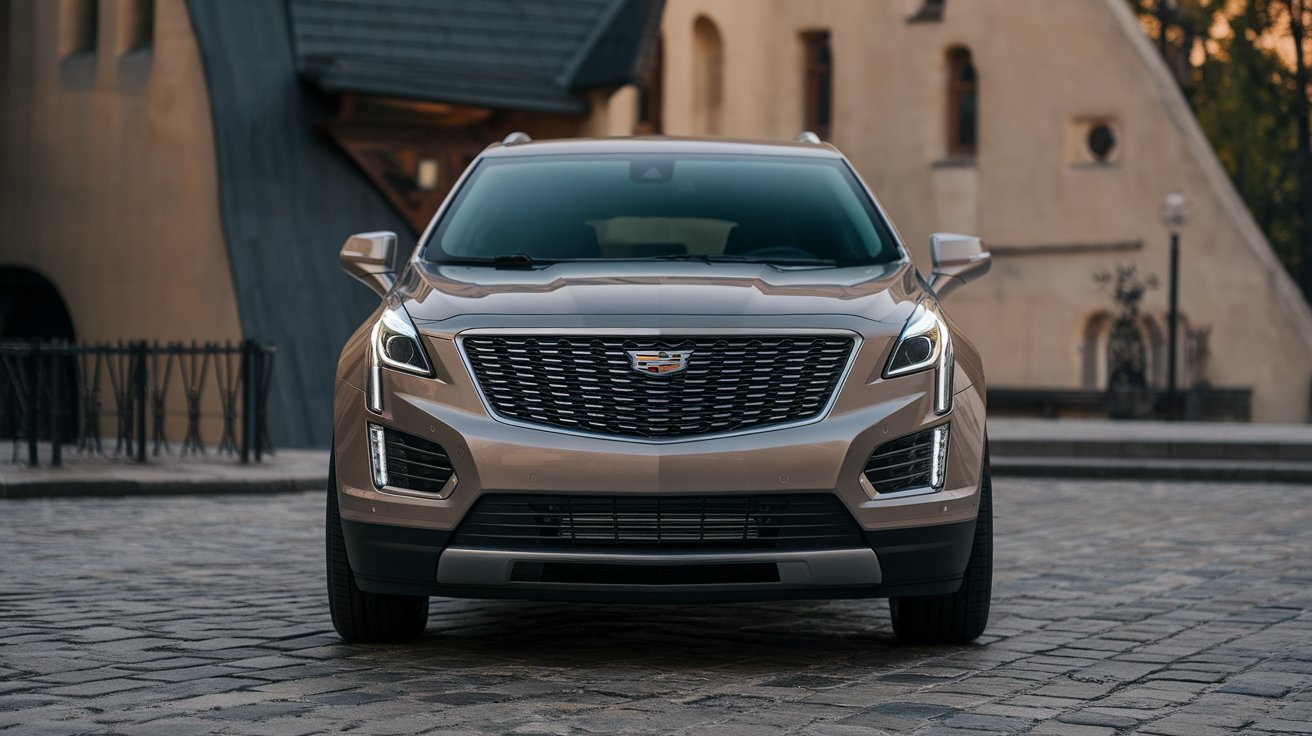
The 2025 Cadillac XT5 is a luxury midsize SUV designed for drivers who want a combination of premium styling, comfortable passenger space, everyday practicality, and familiar Cadillac character. As one of Cadillac’s established SUV models, the XT5 enters the 2025 model year with a relatively mature design rather than a complete redesign. It remains a five-passenger SUV available with front-wheel drive or all-wheel drive, while its powertrain lineup includes a turbocharged four-cylinder and an available V6.
For buyers researching the Cadillac XT5 2025 in 2026, understanding its specifications, cabin, fuel economy, technology, trims, and practical features is important. The XT5 remains especially relevant as a used-luxury SUV because it offers generous passenger room and a useful cargo area without moving into the larger three-row SUV category.
2025 Cadillac XT5 Engine and Performance
The 2025 Cadillac XT5 offers two gasoline engine choices. The standard engine is a 2.0-liter turbocharged four-cylinder producing 235 horsepower and 258 lb-ft of torque. It is paired with a nine-speed automatic transmission, with front-wheel drive standard on the Luxury configuration and all-wheel drive available.
For shoppers who want additional power, Cadillac also offers a 3.6-liter V6 producing 310 horsepower and 271 lb-ft of torque. The V6 is associated with higher-level configurations, including the Sport trim, and provides a stronger power reserve for highway acceleration and carrying passengers or cargo.
The XT5 is not positioned as a high-performance crossover, but its engines provide enough capability for normal commuting, highway travel, family transportation, and long-distance driving. The V6 also gives the SUV a noticeably different character from the turbocharged four-cylinder, particularly when accelerating onto highways.
Fuel Economy and Drivetrain Options
Fuel economy depends heavily on the engine and drivetrain configuration. According to Car and Driver’s specifications for the 2025 XT5, the 2.0-liter turbo with front-wheel drive is rated at 22 mpg city, 29 mpg highway, and 24 mpg combined. The available all-wheel-drive version is rated slightly lower.
The 3.6-liter V6 uses more fuel because of its larger displacement and greater output. Earlier Cadillac specifications for this XT5 powertrain show ratings around 19 mpg city and 26 mpg highway for front-wheel drive, with all-wheel drive reducing city efficiency further.
For drivers who regularly encounter rain, snow, or slippery roads, all-wheel drive can provide additional traction. Front-wheel drive, meanwhile, can make sense for drivers primarily concerned with everyday road use and fuel economy. The choice between the two is therefore closely connected to driving conditions and priorities.
Interior Comfort, Seating, and Cargo Space
Inside, the 2025 Cadillac XT5 focuses on providing a comfortable five-person cabin rather than adding a third seating row. The SUV offers approximately 104.5 cubic feet of passenger volume, with 41.2 inches of front legroom and 39 inches of second-row legroom.
One of the XT5’s strongest practical characteristics is its cargo capacity. It provides approximately 30 cubic feet of cargo space behind the second row and up to 63 cubic feet with the rear seats folded. That makes the XT5 useful for groceries, luggage, sporting equipment, shopping trips, and other everyday transportation needs.
The rear seats can also be folded when additional cargo room is needed. This flexibility allows the XT5 to function as both a comfortable passenger vehicle and a practical utility-oriented SUV.
Technology and Connectivity in the XT5
Technology is another important part of the Cadillac XT5 2025 experience. Standard equipment includes an 8.0-inch touchscreen, Apple CarPlay, Android Auto, and a 4G LTE Wi-Fi hotspot according to Car and Driver’s model information.
The cabin also incorporates Cadillac’s familiar infotainment controls, while available equipment varies according to trim and packages. Buyers should check the exact equipment of an individual vehicle because features can differ depending on configuration.
Driver-assistance technology is also part of the XT5’s equipment strategy. Cadillac offered features such as automatic emergency braking, lane-related assistance, parking assistance, and additional safety technologies, with some advanced features depending on trim or available packages.
When shopping for a used 2025 XT5, checking the original window sticker or vehicle equipment list can be particularly useful because optional technology can significantly change the vehicle’s specification.
2025 Cadillac XT5 Trims and Design
The 2025 XT5 lineup includes configurations such as Luxury, Premium Luxury, and Sport. For 2025, Cadillac discontinued the previous Platinum trim, while some equipment was reorganized into other trims or optional packages. Car and Driver also notes that Night Vision and the previously available adaptive suspension were no longer offered for the 2025 model year.
The exterior design remains one of the recognizable characteristics of the XT5. Its proportions provide a balance between a substantial SUV appearance and dimensions that remain manageable for everyday driving. The 2025 XT5 measures approximately 189.6 inches long, 74.9 inches wide, and 66.1 inches high, with a 112-inch wheelbase.
The Sport-oriented version emphasizes a more athletic appearance, while Luxury and Premium Luxury configurations focus more heavily on traditional upscale SUV presentation and comfort.
Safety, Driving Experience, and Everyday Use
The 2025 Cadillac XT5 is designed primarily as a comfortable everyday luxury SUV rather than an aggressive performance vehicle. Its independent suspension and substantial cabin make it suitable for commuting and longer road trips. The available V6 provides stronger acceleration, while the four-cylinder turbo offers a balance between performance and efficiency.
The XT5’s relatively compact footprint compared with larger Cadillac SUVs can also make it easier to maneuver in urban environments. At the same time, its five-seat cabin and substantial cargo area give it enough versatility for families and active lifestyles.
Safety equipment varies by configuration, so buyers should verify the exact driver-assistance features on a specific 2025 XT5. Cadillac’s documentation lists systems including automatic emergency braking, lane-keeping assistance, rear parking assistance, and rear vision technology among the available or standard equipment depending on configuration.
Is the 2025 Cadillac XT5 Worth Considering?
The 2025 Cadillac XT5 combines several qualities that continue to make the model relevant in the luxury SUV market: five-passenger seating, generous cargo capacity, two engine choices, available AWD, and Cadillac styling. Its 2.0-liter turbocharged engine produces 235 horsepower, while the available 3.6-liter V6 raises output to 310 horsepower.
For buyers researching the XT5 as a 2025 model or used SUV in 2026, the most important considerations are the exact trim, engine, drivetrain, equipment, service history, and condition of the individual vehicle. The model’s 30-cubic-foot cargo area and 63-cubic-foot maximum cargo capacity add meaningful practicality, while the five-seat layout provides useful passenger space without the bulk of a three-row SUV.
Overall, the 2025 Cadillac XT5 represents a traditional approach to the luxury crossover: comfortable seating, distinctive Cadillac styling, practical cargo capacity, available V6 power, and a choice between front- and all-wheel drive. For shoppers who value those characteristics, understanding the differences between trims and powertrains is the key to finding the configuration that matches their needs.

Brasssmile is a name that has generated increasing curiosity online in 2026. At first glance, the word can easily make people think about dentistry, teeth whitening, braces, or smile improvement. However, the current website associated with the name, Brasssmile.com, presents a very different picture. It operates primarily as a multi-topic informational publishing website, with articles covering subjects such as business, education, finance, health, insurance, technology, and travel.
This difference between the site’s name and its current content is one of the main reasons people search for Brasssmile. Various websites have attached different meanings to the term, including dental concepts, products, lifestyle ideas, and online publications. Looking directly at the current Brasssmile.com website provides a clearer way to understand what the name represents today.
What Is Brasssmile?
Brasssmile is primarily associated with Brasssmile.com, a general-interest content and publishing website. Rather than functioning as a specialized dental clinic or a single-purpose online service, the website publishes articles across a broad collection of categories. Its current homepage includes articles related to business, finance, entrepreneurship, technology, and other general-interest subjects.
The site’s broad approach means that visitors may encounter very different subjects from one page to another. One article may discuss business strategy, while another focuses on finance, technology, insurance, education, health, or travel.
This is important for anyone searching specifically for “Brasssmile.” The name itself does not accurately predict what the website contains. The actual content and navigation are more useful indicators than the branding alone.
Recent third-party reviews similarly describe Brasssmile.com as a multi-category publishing platform rather than a dental practice, product retailer, or dedicated smile-care service.
Why Does the Name Brasssmile Cause Confusion?
The unusual combination of “brass” and “smile” naturally creates several possible interpretations.
The word “smile” is strongly associated with oral health, dentistry, cosmetic treatments, orthodontics, and appearance. As a result, someone encountering Brasssmile for the first time could reasonably expect to find information about teeth whitening, braces, aligners, dental implants, or other dental services.
The actual Brasssmile.com website, however, is much broader. Its public navigation has been described as covering Business, Education, Finance, Health, Insurance, Technology, and Travel.
That distinction also explains why search results surrounding Brasssmile can appear inconsistent. Some independent pages discuss the name as though it were a dental concept, while others identify it as a publishing website. There are also separate websites using similar BrassSmile branding, which should not automatically be assumed to be connected to Brasssmile.com.
Therefore, when researching the term, it is useful to check the exact domain name rather than relying only on the word Brasssmile.
What Topics Does Brasssmile.com Cover?
The most important characteristic of Brasssmile.com is its wide editorial range. The site is not limited to one specialist subject.
Its current and recently documented content includes business and entrepreneurship, where readers can find discussions about business decisions, financial planning, digital operations, and professional development. The site also publishes material connected with finance, giving readers access to general explanations of financial subjects.
Technology is another important area. Articles can address changing technologies, digital tools, and technology-related developments. The website also maintains categories associated with education, health, insurance, and travel, creating a broad information hub rather than a narrowly focused publication.
The homepage itself demonstrates this multi-topic strategy. Recent posts include subjects involving business and finance, knowledge management, insurance, and other unrelated areas.
For readers, this means Brasssmile can be approached more like an online magazine or general information blog than a specialist reference database.
Is Brasssmile a Dental Brand or Clinic?
Brasssmile.com should not automatically be treated as a dental clinic or orthodontic service. The current website does not present itself primarily as a traditional dental practice with a clinic location, appointment system, or patient-treatment service. Recent examinations of the site likewise describe it as a general-interest publisher.
This is especially important because other websites with similar BrassSmile names exist online. For example, a separate website using the name Brass Smile presents itself as a dental information platform covering oral hygiene, orthodontics, implants, and cosmetic dentistry. That site is not the same thing as automatically assuming Brasssmile.com is a dental business.
Readers should therefore check the domain, contact information, branding, and purpose of a specific website before assuming that two sites with similar names belong to the same organization.
The same principle applies to dental claims. If someone is researching a medical or dental treatment, information from a general blog should not replace advice from a licensed dental professional.
How Should Readers Use Brasssmile.com?
Brasssmile.com can be useful for readers who want accessible general information across several everyday subjects. Its broad category structure allows visitors to explore topics without needing specialist knowledge before reading an article.
However, the site’s broad scope also means readers should evaluate individual articles according to their subject. A general-interest article about technology, business, travel, or lifestyle has different evidence requirements from an article discussing medical treatment, financial decisions, insurance, or legal matters.
When reading any online information, check whether the article identifies its author, explains its sources, gives a publication or update date, and distinguishes facts from opinions. For high-stakes decisions, compare information with authoritative sources and qualified professionals.
This approach is particularly valuable for health and financial subjects, where an attractive or easy-to-read article should not automatically be treated as expert advice.
Is Brasssmile.com Legit and Safe to Visit?
The available evidence shows that Brasssmile.com is an active website publishing articles, and its homepage is publicly accessible.
However, “legitimate website” and “authoritative source for every topic” are two different questions. A functioning publishing website can contain useful general information while still requiring readers to verify important claims.
Some recent reviews describe Brasssmile.com as a general informational blog and note that it does not appear to operate as a dental product store or clinic.
As with any unfamiliar website, visitors should use ordinary online safety practices. Avoid entering sensitive personal information unless there is a clear reason to do so, check the domain carefully, and be cautious with unexpected downloads or external links.
Most importantly, do not confuse Brasssmile.com with unrelated sites simply because they use similar words in their names.
Why Is Brasssmile Trending in 2026?
The growing interest in Brasssmile appears to be partly driven by the unusual name and the inconsistent meanings appearing across search results.
The current Brasssmile.com website has a broad publishing strategy, while third-party pages have attempted to explain the term in completely different ways. This creates a natural information gap: users see the keyword, encounter conflicting descriptions, and then search for a clearer explanation.
The situation demonstrates why checking the original website is often more useful than relying on repeated descriptions from unrelated blogs. A claim appearing on multiple pages does not necessarily mean that each page independently verified it.
In 2026, the clearest description of Brasssmile.com is therefore its actual function: a multi-topic informational publishing website.
Final Thoughts on Brasssmile
Brasssmile is an unusual online name whose meaning can be confusing because the branding suggests dentistry while the current Brasssmile.com website operates primarily as a general-interest publishing platform.
Its content spans business, education, finance, health, insurance, technology, travel, and other subjects, making it much broader than a traditional dental website.
The most important point for readers is to distinguish Brasssmile.com from unrelated websites using similar names. The current domain should be evaluated based on the articles and information it actually publishes rather than assumptions created by the word “smile.”
For general research, Brasssmile.com can serve as an accessible starting point. For important medical, financial, insurance, or other high-stakes decisions, readers should verify information through authoritative sources and qualified professionals.
Frequently Asked Questions About Brasssmile
What is Brasssmile?
Brasssmile is primarily associated with Brasssmile.com, a multi-topic informational publishing website.
What does Brasssmile.com cover?
The site covers subjects including business, education, finance, health, insurance, technology, and travel.
Is Brasssmile a dental clinic?
Brasssmile.com is not primarily presented as a dental clinic. Its current website operates as a broad content publication.
Does Brasssmile sell dental products?
The current Brasssmile.com site is primarily an informational publisher rather than a dental-product retailer.
Why does Brasssmile sound like a dental brand?
The word “smile” naturally creates associations with teeth and dentistry, which can make the site’s broader publishing purpose surprising.
Is Brasssmile.com safe to read?
It is an active public website, but readers should still apply normal online-safety practices and independently verify important information.
Is Brasssmile.com an online magazine?
It can reasonably be described as an online magazine-style or general-interest publishing website, because it organizes a broad range of informational articles into different categories.
Should health information on Brasssmile replace professional advice?
No. General online articles should be treated as educational information. For diagnosis, treatment, or other important health decisions, consult a qualified healthcare professional.

The Honda Civic Si Coupe has become one of the most recognizable enthusiast versions of the Civic, combining everyday usability with a high-revving engine, front-wheel drive, manual transmission, and performance-focused suspension. Although Honda eventually moved the Si away from the coupe body style, older Civic Si coupes remain important in 2026 for enthusiasts and used-car buyers who want a relatively lightweight, driver-focused sports compact.
The term Civic Si Coupe covers several generations, but the 1999–2000 and 2014–2015 models are particularly notable examples. The earlier model became famous for its high-revving 1.6-liter B16 VTEC engine, while the later ninth-generation coupe used a larger 2.4-liter naturally aspirated engine producing 205 horsepower. Understanding the differences between generations is essential when researching a Honda Civic Si Coupe today.
The History of the Honda Civic Si Coupe
The Civic Si has a long history within Honda’s performance lineup. According to MotorTrend’s history of the model, the Si name dates back to the 1980s, while the 1999–2000 Civic Si Coupe represented a particularly important moment because Honda paired the coupe with the highly regarded 1.6-liter B16A2 DOHC VTEC engine. It produced 160 horsepower and 111 lb-ft of torque, with power sent through a five-speed manual transmission.
The 1999–2000 coupe was also equipped with performance-oriented suspension changes, four-wheel disc brakes, sportier wheels, and other modifications that separated it from ordinary Civic models. MotorTrend reports that its B16A2 engine could rev to an 8,200-rpm limiter, giving the car the high-rpm character that became central to its reputation.
Honda changed the formula for the seventh-generation Si, which used a three-door hatchback rather than a traditional coupe. The coupe returned for the eighth-generation Civic Si in 2006, powered by a 2.0-liter K20Z3 engine producing 197 horsepower. The ninth-generation model subsequently increased engine displacement to 2.4 liters.
2014–2015 Honda Civic Si Coupe Specifications
When people search for a Honda Civic Si Coupe today, the 2014 and 2015 versions are often especially relevant because they represent the mature ninth-generation naturally aspirated Si formula. The 2015 Civic Si Coupe used a 2.4-liter DOHC i-VTEC four-cylinder engine producing 205 horsepower at 7,000 rpm and 174 lb-ft of torque at 4,400 rpm.
Unlike many modern performance cars, the transmission choice was straightforward: a six-speed manual transmission was standard and effectively the only transmission available for the Si. Honda also equipped the coupe with a helical limited-slip differential, helping distribute power between the front wheels during enthusiastic cornering.
The 2015 Civic Si Coupe measured approximately 178.8 inches long, 69 inches wide, and 55 inches high, with a 103.2-inch wheelbase. Its EPA-rated fuel economy was approximately 22 mpg city and 31 mpg highway, with 25 mpg combined according to Car and Driver and Edmunds.
Engine, Manual Transmission, and Driving Character
The defining characteristic of the older Honda Civic Si Coupe is its relationship between engine speed and driver involvement. The 2015’s naturally aspirated 2.4-liter engine does not rely on turbocharging to produce its power. Instead, it delivers its strongest performance as engine speed rises, encouraging drivers to use the six-speed manual transmission actively.
The six-speed manual gearbox is an essential part of the Si experience. Honda never offered an automatic transmission for the Civic Si, and MotorTrend notes that the Si has consistently been a manual-only performance model.
The limited-slip differential is another important component. With a front-wheel-drive layout, controlling wheelspin and maintaining traction while accelerating through corners are important considerations. The helical LSD helps make the front-drive chassis more capable when the driver is using the car aggressively.
The result is a compact coupe that emphasizes driver participation rather than simply maximum straight-line power. That character is one reason older Civic Si models continue to attract enthusiasts.
Interior, Technology, and Everyday Practicality
Although the Civic Si Coupe is designed with performance in mind, it remains based on the Civic platform, so it retains many characteristics associated with an everyday compact car. The 2015 coupe seats five people and offers approximately 11.7 cubic feet of cargo space, according to Edmunds.
Depending on configuration and market, equipment included features such as proximity key entry, push-button start, automatic climate control, a rearview camera, Bluetooth connectivity, a power moonroof, and a leather-wrapped steering wheel. Honda’s Canadian specifications also list a premium seven-speaker audio system with a subwoofer and Honda LaneWatch on applicable equipment.
The 2015 Si Coupe also had an enthusiast-oriented appearance. 18-inch alloy wheels, sport pedals, an exhaust finisher, fog lights, and Si-specific styling elements helped distinguish it from ordinary Civic models.
This combination gives the Si an unusual balance: it looks and behaves like a performance car but retains enough practicality for commuting and normal daily use.
1999–2000 Civic Si Coupe vs. 2014–2015 Si Coupe
The differences between the classic 1999–2000 Honda Civic Si Coupe and the later 2014–2015 model show how Honda’s performance philosophy changed over time.
The 1999–2000 car was significantly lighter and used a 1.6-liter B16A2 engine producing 160 horsepower and 111 lb-ft of torque, paired with a five-speed manual transmission. Edmunds lists a curb weight of approximately 2,601 pounds.
The 2015 coupe was larger and heavier but offered considerably more displacement and torque. Its 2.4-liter engine produced 205 horsepower and 174 lb-ft, and it used a six-speed manual transmission. Edmunds lists its curb weight at about 3,002 pounds.
The older car therefore emphasizes light weight and high-rpm character, while the later model offers greater displacement, torque, refinement, equipment, and overall size. Both follow the same fundamental philosophy of pairing a front-wheel-drive Civic platform with a manual gearbox and performance-oriented hardware.
Why the Civic Si Coupe Still Matters in 2026
By 2026, the Honda Civic Si Coupe belongs to an earlier period of the Civic’s history. Honda’s Si formula eventually moved away from the coupe body style, and the 2017 model introduced another major change by adopting a 1.5-liter turbocharged engine. MotorTrend notes that the 2017 Si was available as both a coupe and sedan, but the coupe body style did not continue indefinitely.
That history makes the older coupe particularly interesting. Buyers researching one today are not simply looking for a used Civic; they are looking for a specific combination of two-door styling, front-wheel drive, manual transmission, naturally aspirated power, and Honda performance engineering.
Condition is especially important when shopping for an older Civic Si. A prospective buyer should inspect the engine, clutch, transmission, suspension, brakes, bodywork, interior, maintenance records, and evidence of modifications. Because these cars have an enthusiast following, some examples may have been modified or driven more aggressively than ordinary Civic models.
Buying and Maintaining a Honda Civic Si Coupe in 2026
A Honda Civic Si Coupe can be an appealing used performance car, but age and condition should be considered more important than the badge alone. A well-maintained example with documented servicing can provide a very different ownership experience from a heavily modified car with neglected maintenance.
For the 2014–2015 generation, buyers should pay attention to the six-speed manual transmission, clutch condition, suspension components, brakes, tires, engine oil leaks, cooling system, and electrical equipment. A professional pre-purchase inspection can identify problems that may not be obvious during a short test drive.
Modified cars deserve additional scrutiny. Suspension changes, aftermarket exhaust systems, engine modifications, wheels, tires, and tuning can affect reliability and drivability. Original or carefully documented modifications can make it easier to understand how the vehicle has been maintained.
Conclusion
The Honda Civic Si Coupe represents an important chapter in Honda’s performance history. From the high-revving 160-hp B16A2-powered 1999–2000 coupe to the 205-hp 2.4-liter 2014–2015 model, the Si consistently combined a practical Civic foundation with enthusiast-focused engineering.
The 2015 model is particularly notable for its 205-hp naturally aspirated engine, six-speed manual transmission, helical limited-slip differential, front-wheel-drive layout, 18-inch wheels, and performance-oriented suspension.
For enthusiasts researching the Honda Civic Si Coupe in 2026, its appeal comes from more than horsepower. The two-door body, manual transmission, compact dimensions, high-revving engine character, and direct connection between driver and machine make these cars distinctive examples of Honda’s performance-car philosophy. As the automotive market continues moving toward newer drivetrains and different body styles, these older Civic Si coupes remain an interesting part of Honda’s enthusiast heritage.

When a Frigidaire refrigerator not cooling, the problem can range from something simple, such as an incorrect temperature setting or blocked air vent, to a mechanical issue involving the evaporator fan, condenser fan, defrost system, or sealed refrigeration system. Before assuming that an expensive repair is necessary, we can work through several basic checks that Frigidaire itself recommends.
A refrigerator needs adequate power, airflow, temperature control, and functioning cooling components to maintain a safe temperature. Frigidaire recommends a factory setting of approximately 37°F for the refrigerator compartment and 0°F for the freezer, although acceptable operating ranges are broader. A newly installed unit or one recovering from a power interruption may also need approximately 24 hours to stabilize.
Check the Temperature Settings and Power First
The first step when your Frigidaire refrigerator is not cooling is to check whether the appliance is actually receiving power. Look for interior lights, control-panel indicators, or other signs that the refrigerator is operating. Check that the power cord is securely connected and inspect the circuit breaker if there has been a recent outage. Frigidaire recommends a dedicated, properly grounded outlet for its refrigerators.
Next, check the temperature controls. Frigidaire’s suggested factory settings are 37°F for the refrigerator and 0°F for the freezer. If the refrigerator has been accidentally adjusted to a warmer setting, it may appear to have stopped cooling even though the refrigeration system is operating normally. After changing the temperature, allow sufficient time for the appliance to stabilize rather than repeatedly changing the controls.
If the refrigerator recently experienced a power outage, electrical interruption, or reset, give it time to return to its normal operating temperature. Frigidaire notes that temperature stabilization can take approximately 24 hours.
Make Sure Air Can Move Through the Refrigerator
Blocked airflow is another common reason a refrigerator may feel warm. Cold air needs to circulate between the appropriate compartments, and food containers placed directly against vents can interfere with that airflow. Frigidaire specifically advises checking whether anything is blocking the refrigerator’s vents.
Start by looking inside both the refrigerator and freezer compartments. Move large containers, packages, and other items away from visible air vents. Avoid packing the freezer so tightly that air cannot circulate around the stored food.
The door should also close completely. If containers, shelves, or food packages prevent the door from closing, warm air can continuously enter the appliance. An open or poorly sealed door makes the cooling system work harder and can result in unstable temperatures.
If there is heavy frost or ice buildup, airflow can also be restricted. Frigidaire notes that excessive frost can interfere with proper operation and may even prevent the door from closing correctly.
Inspect the Door Gasket and Condenser Area
The door gasket is the flexible seal surrounding the refrigerator door. Its job is to create a tight barrier that keeps cold air inside and warm air outside. A torn, twisted, dirty, or poorly sealing gasket can therefore contribute to a refrigerator that does not stay cold.
Frigidaire recommends a simple gasket check using a dollar bill. Close the refrigerator door over the bill and gently pull it. There should be some resistance. If the bill slides out very easily, the seal may not be sufficiently tight. The gasket can also be cleaned with warm, soapy water.
The condenser coils are another important area. Dust and debris can restrict heat transfer, reducing cooling efficiency. Frigidaire Appliance Parts recommends cleaning accessible condenser coils approximately every 6 to 12 months, using a soft brush or suitable vacuum attachment.
Before cleaning or inspecting areas involving electrical or moving components, follow the refrigerator’s owner’s manual and use appropriate electrical safety precautions.
Why Is the Freezer Cold but the Refrigerator Warm?
One of the most useful clues is whether the freezer is cold while the refrigerator compartment is warm. This symptom can point toward an airflow problem rather than a complete failure of the refrigeration system.
The evaporator fan circulates air over the cooling coils and distributes cold air through the appropriate areas. If that fan is not operating correctly, the freezer may remain relatively cold while the refrigerator compartment fails to reach the desired temperature. Frigidaire Appliance Parts identifies the evaporator fan motor as one possible cause of this specific situation.
A malfunctioning damper control assembly can produce a similar symptom on models that use a damper to regulate airflow from the freezer into the refrigerator compartment. If the damper becomes stuck closed, insufficient cold air can reach the refrigerator section.
Listen for unusual sounds, but avoid placing your hands near moving fan blades or attempting electrical tests unless you understand the required safety procedures. Some components are better diagnosed by a qualified appliance technician.
Common Mechanical Problems Behind Cooling Failure
If basic settings, airflow, power, and door sealing are all correct, the problem may involve one of the refrigerator’s cooling components. The condenser fan, evaporator fan, defrost system, thermostat, thermistor, control board, and compressor can all play roles in maintaining the correct temperature.
A failed condenser fan motor can prevent proper airflow over the condenser and compressor area. A faulty evaporator fan can prevent cold air from circulating. Meanwhile, a malfunctioning defrost system can allow frost to accumulate on the evaporator coil until airflow becomes severely restricted. Frigidaire Appliance Parts identifies the defrost heater assembly and defrost thermostat among possible causes of insufficient cooling.
A temperature control thermostat or thermistor can also cause problems because these components help regulate when cooling components operate. On electronically controlled refrigerators, the control board uses sensor information to manage components such as the compressor and evaporator fan.
These repairs can require electrical testing, component removal, or access to internal refrigerator systems. If you are not experienced with appliance repair, professional diagnosis is safer than replacing parts based solely on symptoms.
Could the Compressor or Sealed System Be the Problem?
A refrigerator that continues to run but never becomes properly cold may have a sealed-system problem. This can involve a refrigerant restriction or leak. Frigidaire Appliance Parts explains that an abnormal frost pattern on the evaporator coil can sometimes indicate a sealed-system problem, particularly when other cooling components are operating correctly.
The compressor is responsible for compressing and circulating refrigerant through the refrigeration system. If it fails, the refrigerator cannot cool normally. However, Frigidaire Appliance Parts notes that compressor failure is relatively uncommon compared with more frequently defective components, so the other possibilities should be investigated first.
Sealed-system and compressor repairs are generally not ideal DIY projects. They can require specialized equipment and knowledge, and refrigeration-system work should be handled by an appropriately qualified technician.
When Should You Call a Refrigerator Repair Technician?
If your Frigidaire refrigerator is not cooling after checking the power, temperature settings, airflow, door gasket, and obvious frost buildup, professional service may be appropriate. Frigidaire specifically advises contacting service when the refrigerator has been operating for the necessary stabilization period but still does not cool properly.
Before arranging service, write down the refrigerator’s model number, the temperature displayed, whether the freezer is cold, whether you hear the compressor or fans running, and whether there is unusual frost buildup. These details can help a technician narrow down the problem.
Also consider the age of the appliance and the likely repair. A simple gasket, fan, or control issue may be practical to repair, while a major sealed-system or compressor problem can require a more substantial service decision.
Frigidaire Refrigerator Not Cooling: Final Troubleshooting Checklist
When dealing with a Frigidaire refrigerator not cooling, we should begin with the easiest possibilities before assuming a major component has failed. Check that the appliance has power, verify the temperature settings, make sure vents are clear, confirm that the doors close correctly, inspect and clean the gasket, and look for excessive frost. Frigidaire recommends 37°F for the refrigerator and 0°F for the freezer as factory-suggested settings.
If the refrigerator still does not cool, consider whether the freezer is cold but the refrigerator is warm, whether fans are operating, and whether the condenser area is dirty. These symptoms can provide useful clues about airflow and fan-related problems.
More complicated causes include defrost-system failures, damper problems, sensor or thermostat faults, sealed-system restrictions, refrigerant leaks, and compressor problems. These should generally be diagnosed carefully rather than addressed through random parts replacement.
In many cases, a refrigerator that suddenly stops cooling does not necessarily need to be replaced. A careful troubleshooting process can identify a simple cause, while persistent problems can be evaluated by a qualified technician. The most important goal is to restore reliable temperature control so that perishable food remains properly refrigerated and the appliance can operate safely and efficiently.

Peter Orszag Bald: Hairline, Hairstyle, Hair Loss Rumors, and What We Know in 2026

Rebecca Liddicoat: Biography, Education, Marriage, Divorce, Family, and Life in 2026

TozyMagazine.com: Complete Guide to Tozy Magazine in 2026

Kelsy Ully (2026): Biography, Career, Background, Personal Life, and Frequently Asked Questions

Bulkington Community Forum: A Complete Guide to Local News, Events, Discussions, and Community Engagement

80 kg to lbs: Easy Conversion Guide, Formula, and Practical Examples
 Celebrity3 months ago
Kelsy Ully (2026): Biography, Career, Background, Personal Life, and Frequently Asked Questions
- Blog3 months ago
Bulkington Community Forum: A Complete Guide to Local News, Events, Discussions, and Community Engagement
- Blog3 months ago
80 kg to lbs: Easy Conversion Guide, Formula, and Practical Examples
- Celebrity3 months ago
John Light: A Comprehensive Biography of the Acclaimed British Actor
- Sports3 months ago
Koora Live: What It Is, Why It Became Popular, and What Sports Fans Should Know
- Entertainment3 months ago
PoE Ninja: The Ultimate Guide to Path of Exile’s Most Powerful Build, Economy, and Trading Resource
- Celebrity3 months ago
Marita Geraghty: Biography, Career, Movies, Television Roles, Personal Life, and Lasting Legacy
- Tech3 months ago
TechTable I-Movement.org: The Complete 2026 Guide to Technology Innovation, Digital Transformation, AI, and Smart Collaboration